August 6, 2026
Healthy trees add beauty, shade, privacy, and environmental value to residential and commercial properties. At the same time, trees can become hazardous when they are affected by disease, structural weakness, storm damage, or changing landscape conditions. In these situations, tree removal becomes an important decision that protects people, structures, and surrounding vegetation while supporting the long-term health of the property.
Making informed choices about tree care requires more than simply responding to visible problems. Trees often develop hidden structural issues that are not immediately obvious to the untrained eye. Internal decay, weakened root systems, and damage caused by severe weather may compromise stability without producing dramatic outward signs. Addressing these concerns through careful evaluation helps reduce unnecessary risks while preserving the overall appearance and function of the landscape.
Professional tree care focuses on balancing safety with environmental responsibility. Whenever possible, healthy trees are preserved because they provide lasting benefits to communities. When removal becomes the most appropriate solution, the work should be approached with thoughtful planning, specialized knowledge, and careful attention to surrounding property. This balanced approach supports safer outdoor spaces while maintaining the health of nearby plants and trees.
Recognizing the Risks of Neglected Trees
Trees naturally change throughout their lifespan. Environmental stress, pests, disease, soil conditions, and weather events can all affect their health over time. While many issues develop gradually, delaying action may increase the likelihood of unexpected failures that place nearby people and property at risk.
Branches weakened by decay or structural defects may break without warning, especially during strong winds or heavy rain. Likewise, compromised trunks and unstable root systems can eventually lead to complete tree failure. These situations create hazards for homes, vehicles, utility lines, sidewalks, outdoor gathering areas, and neighboring landscapes.
Property owners sometimes hesitate to address aging or damaged trees because they hope conditions will improve naturally. Unfortunately, structural problems rarely resolve without professional intervention. Instead, deterioration often continues, making future work more complicated while increasing the potential for property damage or personal injury.
Choosing appropriate care at the right time allows property owners to reduce uncertainty and maintain safer outdoor environments. Whether preservation or tree removal is recommended, thoughtful evaluation helps ensure that decisions are based on the condition of the tree rather than assumptions or temporary appearances.
Promoting Safety Through Professional Expertise
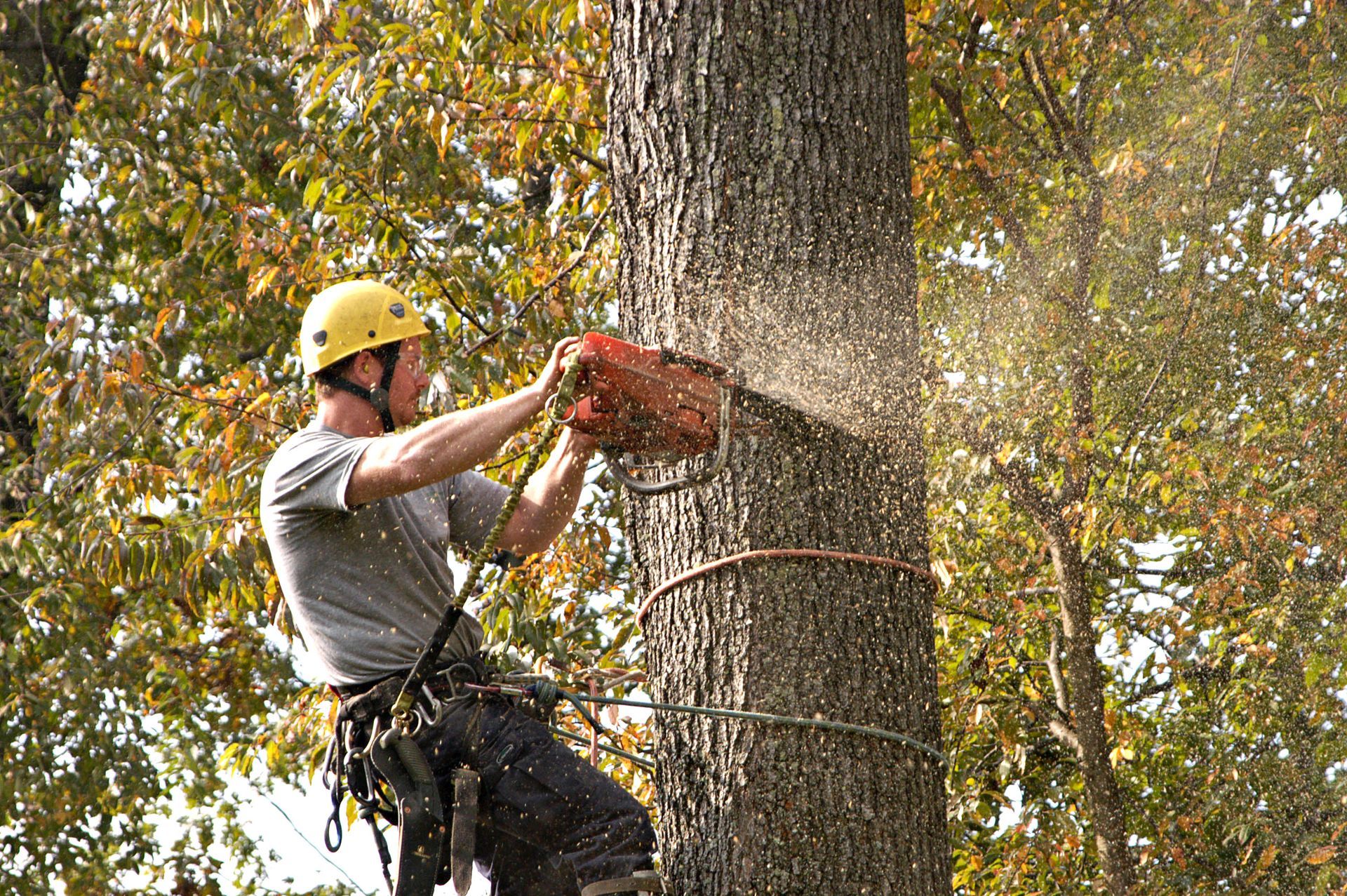
Safe tree care depends on experience, planning, and specialized knowledge. Every property presents unique conditions that influence how work should be approached. Factors such as surrounding buildings, nearby vegetation, utility infrastructure, and overall tree condition all contribute to the complexity of each project.
Professional teams understand how different tree species grow, respond to stress, and interact with changing environmental conditions. This knowledge supports informed recommendations that prioritize safety while minimizing unnecessary disruption to the surrounding landscape.
The importance of trained professionals is reflected across the industry. According to the U.S. Bureau of Labor Statistics, there are approximately 50,270 individuals employed nationwide in the tree trimming and pruning profession. This highlights the significant workforce dedicated to maintaining trees and promoting safe property management across communities.
Professional evaluation also provides peace of mind. Rather than relying on guesswork, property owners receive recommendations based on observable conditions, practical experience, and accepted industry practices. When tree removal is determined to be the most appropriate option, the work is planned with careful attention to protecting nearby structures, landscaping, and public spaces.
Supporting Healthy Landscapes Through Thoughtful Decisions
Removing a tree is rarely viewed as the preferred outcome. Healthy, thriving trees provide valuable shade, improve visual appeal, encourage wildlife activity, and contribute positively to the surrounding environment. Because of these benefits, responsible tree care emphasizes preservation whenever practical.
However, there are situations where removing a tree supports the health of the remaining landscape. Diseased trees may spread problems to nearby vegetation, while overcrowded growth can limit sunlight, airflow, and available resources for healthier specimens. Trees that have suffered extensive storm damage or structural decline may also compete with surrounding plants while providing little environmental value.
Thoughtful landscape management considers the entire property rather than focusing on a single tree. Removing an unhealthy specimen can create opportunities for healthier growth, improved maintenance, and more balanced outdoor spaces. It may also allow other established trees to thrive without unnecessary competition.
By viewing landscape care from a broader perspective, property owners can make informed decisions that support both safety and long-term environmental health. Responsible tree removal often plays an important role within a comprehensive property maintenance strategy rather than existing as an isolated service.
Preserving Property Through Careful Planning
Every property contains features that deserve protection during tree care projects. Homes, driveways, fences, gardens, decorative landscaping, outdoor living spaces, and neighboring properties all require thoughtful consideration before any work begins.
Professional planning helps reduce unnecessary disruption while maintaining respect for the surrounding environment. Careful assessment allows experienced teams to understand site conditions, identify potential challenges, and coordinate work in a manner that protects valuable property features.
Planning also contributes to smoother project completion. Anticipating site conditions allows professionals to adapt to changing circumstances while maintaining consistent attention to safety and efficiency. This preparation benefits both property owners and surrounding communities by reducing avoidable complications throughout the process.
Effective communication forms another important part of responsible planning. Property owners benefit from understanding the condition of their trees, the reasons behind recommended services, and the expected outcome of the project. Open communication builds confidence while helping clients make informed decisions about their landscapes.
When careful planning guides every stage of tree removal, the result is a safer experience that respects both the property and its surrounding environment.
Choosing Long-Term Value Over Short-Term Convenience
Property maintenance decisions often have lasting effects that extend well beyond the immediate project. While delaying necessary tree care may appear convenient, unresolved issues frequently become more serious over time. Small structural concerns can develop into significant hazards that require more extensive attention later.
Professional recommendations also help property owners avoid unnecessary work. Not every tree showing signs of stress requires removal. In many cases, thoughtful maintenance and monitoring allow trees to recover while preserving their contribution to the landscape. When tree removal is recommended, it reflects an informed decision based on overall safety, health, and long-term property goals.
Communities also benefit when properties are maintained responsibly. Well-managed landscapes contribute to neighborhood appearance, reduce potential hazards, and create safer outdoor environments for residents and visitors alike. Responsible tree care therefore supports both individual property owners and the broader community.
Long-term thinking encourages balanced decisions that prioritize safety, environmental stewardship, and lasting property value rather than temporary convenience.
Maintaining Confidence Through Responsible Tree Care
Trees remain among the most valuable natural features found on residential and commercial properties. They enhance curb appeal, provide shade, support wildlife, and create inviting outdoor spaces that can be enjoyed throughout changing seasons. Protecting these benefits requires ongoing attention and informed decision-making whenever concerns arise.
Professional evaluation brings clarity to situations that might otherwise seem uncertain. Rather than relying on assumptions, property owners receive guidance based on observable conditions, practical knowledge, and careful assessment. Whether the recommendation involves continued monitoring, maintenance, or tree removal, informed decisions promote safer and healthier landscapes.
Maintaining healthy trees requires balancing beauty, environmental responsibility, and public safety. While preserving trees remains an important goal whenever appropriate, there are situations where removing a compromised tree protects surrounding property, nearby vegetation, and the people who use the space every day. Careful evaluation, thoughtful planning, and professional expertise all contribute to responsible landscape management that supports long-term value.
If your property has trees that may be showing signs of decline or creating safety concerns, JK Tree Service LLC is here to help. We provide knowledgeable evaluations and dependable solutions tailored to your landscape, helping us protect your property while supporting safe, healthy outdoor spaces for years to come.